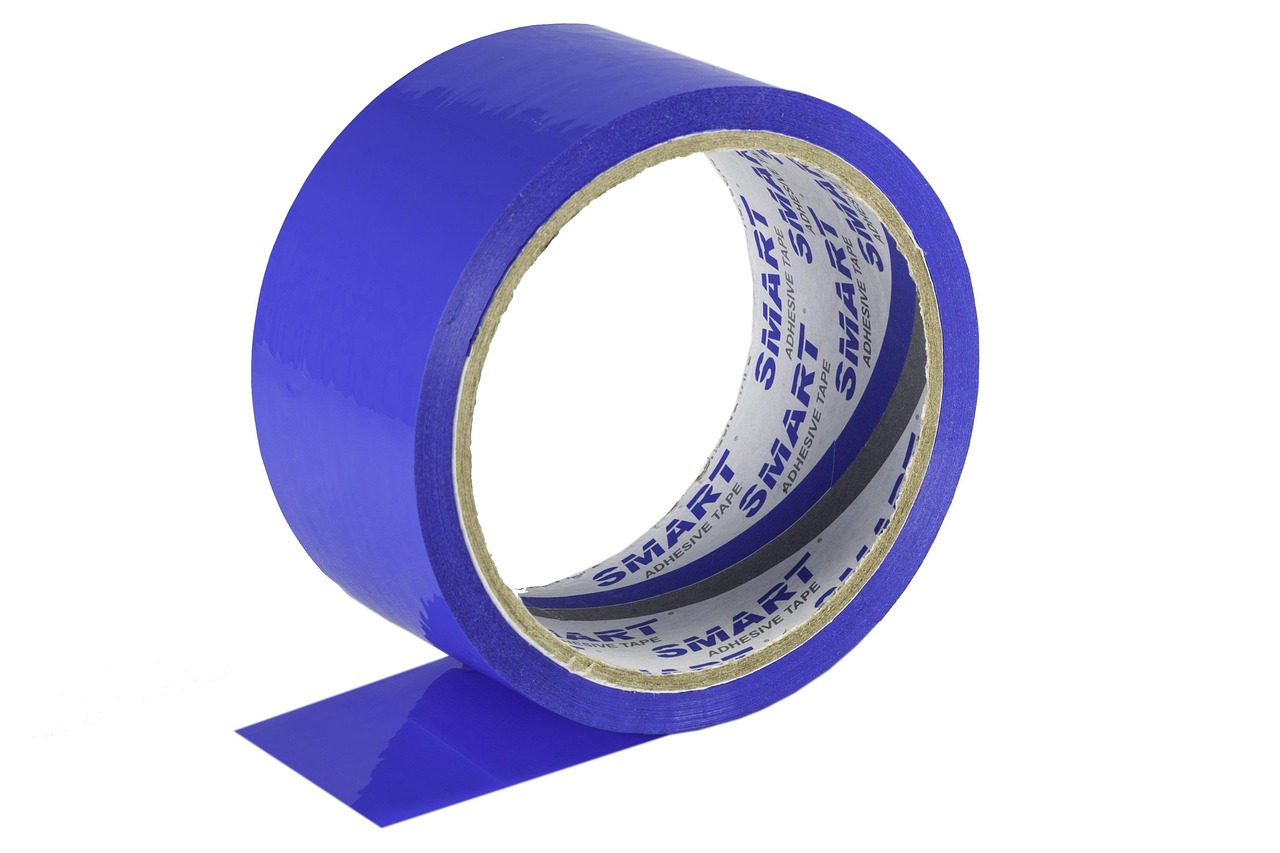
Self-adhesive rubber bumpers are an innovative and versatile product that has revolutionized various manufacturing processes and applications. These unique components, as the name suggests, are made from rubber and feature a self-adhesive backing, making them incredibly easy to install and use. With their ability to absorb impact, provide cushioning, and create a secure seal, self-adhesive rubber bumpers have become an indispensable tool for manufacturers across diverse industries. In this comprehensive guide, we will delve into the world of these versatile bumpers, exploring their construction, uses, and the benefits they bring to modern manufacturing practices.
Understanding Self-Adhesive Rubber Bumpers: A Comprehensive Overview
What Are Self-Adhesive Rubber Bumpers?
Self-adhesive rubber bumpers are designed to offer a simple yet effective solution for securing and protecting various objects. They consist of a rubber base with an adhesive layer on the back, allowing them to be attached directly to surfaces without the need for additional fasteners or tools. The rubber material provides flexibility and cushioning, while the adhesive ensures a strong bond, making these bumpers ideal for a wide range of applications.
Key Features:
- Durability: Made from high-quality rubber, these bumpers are designed to withstand harsh conditions, including temperature extremes and exposure to chemicals.
- Versatility: With various shapes, sizes, and adhesive types available, they can be customized to suit specific requirements.
- Ease of Installation: The self-adhesive backing simplifies the installation process, saving time and effort.
- Impact Absorption: They effectively absorb shock and vibrations, preventing damage to sensitive equipment or surfaces.
- Sealing Properties: Ideal for creating weatherproof seals, keeping out moisture and improving product durability.
Where are Self-Adhesive Rubber Bumpers Used in Manufacturing?
The versatility of self-adhesive rubber bumpers allows manufacturers to utilize them across multiple sectors and applications. From automotive and electronics to furniture and construction, these bumpers play a crucial role in ensuring product quality, safety, and longevity. Let's explore some of the primary areas where they are employed:
1. Automotive Industry:
In the automotive sector, self-adhesive rubber bumpers are extensively used for several purposes:
- Vehicle Mounting: They secure various components to the car body, such as sensors, lighting fixtures, and control modules, protecting them from vibrations and impact during transportation.
- Door and Trunk Seals: By creating an airtight seal around doors and trunks, these bumpers improve fuel efficiency and reduce noise levels in vehicles.
- Suspension Systems: Rubber bumpers are integrated into suspension components to absorb shocks, enhancing passenger comfort and vehicle stability.
2. Electronics Manufacturing:
The delicate nature of electronic devices requires specialized protection, which is provided by self-adhesive rubber bumpers:
- Device Securing: They hold electronics firmly in place during transportation and installation processes, preventing damage caused by movement or shock.
- Heat Dissipation: Some bumpers are designed with thermal properties, aiding in heat dissipation from sensitive electronic components.
- Encapsulation: Self-adhesive rubber can form a protective layer around electrical connectors, seals, and joints, enhancing durability.
3. Furniture and Home Goods:
Manufacturers of furniture and home furnishings use self-adhesive rubber bumpers to add comfort, protection, and style:
- Leg Protectors: Soft rubber bumpers on the bottom of furniture legs prevent scratching of floors and provide stability, especially on uneven surfaces.
- Seating Cushioning: They are integrated into seating cushions and backrests for added comfort and support.
- Decorative Accents: With various colors and finishes available, these bumpers can enhance the aesthetic appeal of furniture designs.
4. Construction and Building Materials:
In construction, self-adhesive rubber bumpers play a vital role in ensuring the integrity of buildings and structures:
- Window and Door Seals: They create an effective barrier against drafts, moisture, and pests, improving energy efficiency in buildings.
- Structural Support: Rubber bumpers are used to secure building components during construction, preventing movement and potential damage.
- Vibration Control: In bridges and other large structures, these bumpers help absorb vibrations caused by traffic or environmental factors.
5. Industrial Machinery:
Manufacturing machinery requires robust protection against impact and vibration:
- Machine Mounting: Self-adhesive rubber bumpers secure machine components, ensuring stability and reducing noise during operation.
- Vibration Isolation: By isolating sensitive equipment from vibrations, these bumpers extend the lifespan of machinery and reduce maintenance costs.
- Safety Features: In many industrial settings, bumpers are used as safety mechanisms to prevent equipment damage and potential hazards.
Benefits of Using Self-Adhesive Rubber Bumpers
The integration of self-adhesive rubber bumpers into manufacturing processes offers numerous advantages, making them a preferred choice for many industries:
- Reduced Damage and Maintenance: By absorbing impact and vibrations, these bumpers minimize damage to equipment and products during transportation and operation. This leads to reduced maintenance costs and extended product lifespans.
- Enhanced Product Quality: Self-adhesive rubber ensures secure seals and connections, improving overall product quality and performance.
- Time and Cost Efficiency: The simple installation process saves time and labor costs associated with traditional fastening methods.
- Customizability: Manufacturers can choose from a wide range of sizes, shapes, and adhesive types to suit specific requirements, ensuring optimal performance.
- Versatility: These bumpers are suitable for diverse applications, allowing manufacturers to streamline their production processes.
- Environmental Benefits: Effective sealing properties improve energy efficiency in buildings and vehicles, contributing to environmental sustainability.
Choosing the Right Self-Adhesive Rubber Bumpers
With various options available, selecting the appropriate self-adhesive rubber bumpers is essential for achieving optimal results. Manufacturers should consider the following factors when making their choice:
- Application: Understand the specific requirements of your application, including environmental conditions, load capacities, and necessary adhesive properties.
- Size and Shape: Ensure the bumpers fit the intended spaces precisely, considering dimensions and tolerances.
- Adhesive Type: Different adhesives are suitable for various surfaces and environments. Choose an adhesive that provides strong bonding on the target material.
- Temperature Resistance: For harsh temperature conditions, select bumpers with appropriate temperature resistance ratings.
- Supplier Reputation: Opt for reputable suppliers known for delivering high-quality products and technical support.
Conclusion: Elevating Manufacturing with Self-Adhesive Rubber Bumpers
Self-adhesive rubber bumpers have emerged as indispensable components in modern manufacturing, offering a simple yet powerful solution to diverse challenges. Their ability to absorb impact, provide cushioning, and create secure seals has led to increased product durability, reduced maintenance costs, and improved overall efficiency across industries. With their versatility and adaptability, these bumpers continue to shape the future of manufacturing, enabling innovative designs and streamlined production processes.
In a competitive market, manufacturers who recognize the value of self-adhesive rubber bumpers can gain a significant advantage. By incorporating these versatile products into their operations, companies can enhance product quality, ensure customer satisfaction, and stay ahead in their respective industries. As technology advances, further developments in rubber bumper design and materials will undoubtedly expand their applications, solidifying their place as an essential tool in the modern manufacturing arsenal.